
Introduction
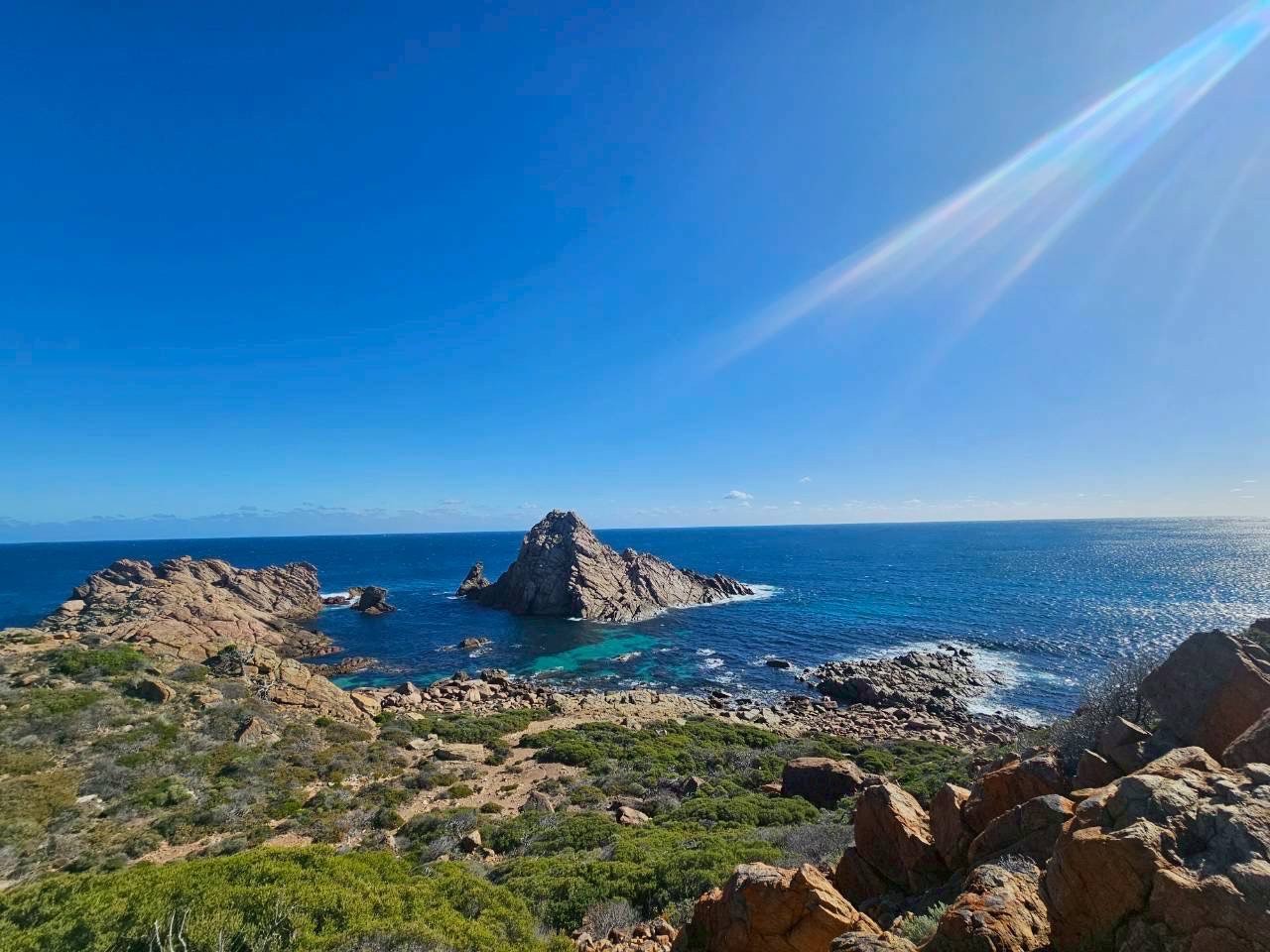
Beyond the iconic Opera House and the Great Barrier Reef lies an Australia that most tourists never see—a treasure trove of secluded beaches, ancient rainforests, and charming country towns that locals have been quietly enjoying for generations. While millions flock to Sydney’s Bondi Beach and Melbourne’s laneways each year, those in the know venture off the beaten path to discover swimming holes hidden in national parks, coastal towns where kangaroos hop along pristine beaches at sunrise, and outback oases that seem lifted from another planet. These are the places Australians escape to when they want to experience the raw, authentic beauty of their vast continent—spots they might hesitate to share, knowing that their magic lies partly in their peaceful seclusion. From Tasmania’s Bay of Fires to Western Australia’s Turquoise Bay, this guide unveils the secret Australia that locals cherish, offering you a chance to experience the country like a true insider.
The Grampians’ MacKenzie Falls, Victoria
Tucked away in the heart of the Grampians National Park, MacKenzie Falls thunders down ancient rock faces into a pristine pool that few international visitors know about. The journey to the base involves descending steep stairs carved into the cliff face, but the reward is a natural amphitheater where rainbow mist dances in the afternoon sun. Local rock climbers have been coming here for decades, combining their climbing adventures with refreshing dips in the crystal-clear pools. The surrounding Grampians region also hides Aboriginal rock art sites that are over 20,000 years old, accessible only to those who venture beyond the main tourist routes.
Visit during autumn when the crowds thin out and the native deciduous beech trees create a golden canopy overhead. The nearby town of Halls Gap, with its population of just 430, offers cozy accommodation and serves as a perfect base for exploring the region’s hidden waterfalls, secret lookouts, and ancient cultural sites.
Lord Howe Island, New South Wales
This crescent-shaped paradise, located 600 kilometers east of the mainland, limits visitors to just 400 at any time, preserving its untouched beauty and exclusive feel. With no mobile phone coverage and a pace of life that harks back to simpler times, Lord Howe Island offers what Australia looked like before mass tourism arrived. Here, you can hand-feed fish at Ned’s Beach, snorkel directly off the shore to see vibrant coral reefs, and hike through palm forests that exist nowhere else on Earth.
The island’s crown jewel is Ball’s Pyramid, the world’s tallest sea stack, rising 562 meters from the Tasman Sea like a prehistoric monument. Local families who have lived on the island for generations will share stories of the island’s unique ecology, including the successful conservation program that saved the Lord Howe Island stick insect from extinction—a creature once thought lost forever.
Turquoise Bay, Western Australia
While tourists queue for boats to Rottnest Island near Perth, Western Australians make the longer journey north to Turquoise Bay in Cape Range National Park. This slice of paradise near Exmouth offers some of the best drift snorkeling in the world, where the current naturally carries you along the reef, revealing manta rays, reef sharks, and over 500 species of fish. The beach’s unique geography creates a natural swimming pool protected from ocean swells, making it perfect for families.
What makes Turquoise Bay truly special is its accessibility—you can walk straight off the beach into world-class snorkeling without needing a boat or guide. During winter months, you might even spot humpback whales passing by on their annual migration. The nearby Yardie Creek Gorge offers another hidden treasure: a dramatic red rock canyon where black-flanked rock wallabies hop along the cliff faces at sunset.
The Bay of Fires, Tasmania
Stretching along Tasmania’s northeastern coast, the Bay of Fires remains one of Australia’s best-kept secrets, despite being named by Lonely Planet as the world’s hottest travel destination. The 50-kilometer stretch of coast gets its name from the vibrant orange lichen that covers the granite boulders, creating a surreal landscape of fire-colored rocks against white sand and turquoise water. Local Tasmanians have been camping in the free bush camps along the bay for generations, falling asleep to the sound of waves and waking to wallabies grazing nearby.
The southern section around Binalong Bay offers easy access and stunning day walks, while the northern reaches require multi-day hikes through coastal heathland. Here, you might not see another soul for hours, just endless beaches where the only footprints are yours. The area’s clear waters make it perfect for diving and snorkeling, with kelp forests hiding crayfish, abalone, and curious fur seals.
Karijini National Park, Western Australia
In the heart of the Pilbara region, over 1,400 kilometers north of Perth, Karijini National Park showcases an Australia that seems almost Martian in its ancient beauty. The park’s gorges, carved over two billion years, create a natural playground of ruby-red rock formations, emerald pools, and hidden waterfalls. Locals know to visit during the cooler months from April to September, when the desert heat subsides and the gorges become accessible.
The park’s spa pools—natural rock pools smoothed by centuries of water flow—offer a surreal swimming experience surrounded by ancient banded iron formations. Hancock Gorge leads adventurous visitors through narrow slots barely wide enough for a person, ending at Kermits Pool, a perfect amphitheater where you can swim in water that hasn’t seen sunlight for most of its journey through the rock. Indigenous guides from the local Banyjima people share stories of their connection to this land, adding layers of meaning to an already profound landscape.
Kangaroo Valley, New South Wales
Just two hours south of Sydney, Kangaroo Valley feels like stepping back in time to a gentler era of Australian country life. This hidden valley, surrounded by sandstone escarpments and rainforest, has become a weekend secret for Sydney locals seeking refuge from city life. The historic Hampden Bridge, a Victorian-era suspension bridge, welcomes visitors to a world of rolling green pastures, boutique wineries, and pristine swimming holes along the Kangaroo River.
The valley truly lives up to its name—kangaroos graze in paddocks alongside dairy cows, and wombats waddle across country roads at dusk. Local farmers have turned historic properties into intimate guesthouses, where you can wake to misty mornings and the sound of kookaburras. The nearby Fitzroy Falls plunges 80 meters into the valley below, offering spectacular views especially after rain when the water flow is strongest.
The Daintree Rainforest and Cape Tribulation, Queensland
While the Great Barrier Reef gets all the attention, the Daintree Rainforest—the world’s oldest surviving rainforest at 135 million years old—remains relatively undiscovered by international tourists. Where the rainforest meets the reef at Cape Tribulation, you can walk from ancient forest directly onto beaches where cassowaries (prehistoric-looking flightless birds) search for fallen fruit. Local guides from the Kuku Yalanji people share knowledge passed down through 50,000 years, revealing which plants are medicine, which are food, and which tell the stories of creation.
The canopy walk at Daintree Discovery Centre offers a bird’s eye view of this prehistoric world, while night walks reveal a hidden universe of glowing fungi, tree kangaroos, and the haunting call of the powerful owl. The local secret is to stay overnight in the forest itself—eco-lodges hidden among the trees offer the chance to fall asleep to the symphony of the rainforest and wake to the dawn chorus of tropical birds.
Wilsons Promontory, Victoria
Known simply as “The Prom” to locals, this peninsula forms mainland Australia’s southernmost point and encompasses pristine beaches, temperate rainforest, and granite mountains within easy reach of Melbourne. While day-trippers stick to the main beaches, those in the know hike to remote Sealers Cove or Waterloo Bay, where white sand beaches remain empty save for wombats that emerge at dusk to graze on the foreshore grass.
The Prom’s isolation during the last ice age created a unique ecosystem where flora and fauna evolved differently from the mainland. The result is a biological treasure trove where you might spot echidnas on beach walks, watch sea eagles soar overhead, and snorkel with weedy sea dragons in sheltered bays. Local photographers know to visit during winter storms when massive waves crash against the granite headlands, creating dramatic scenes that rival any wilderness on Earth.
Tips for Discovering Your Own Hidden Gems
Australians have a phrase—”going bush”—that perfectly captures the spirit of leaving the cities behind to discover the real Australia. To find your own hidden gems, talk to locals in small towns, visit during shoulder seasons when tourist crowds thin out, and be willing to drive that extra hour past the famous spots. Many of Australia’s best-kept secrets require unsealed road driving, so consider renting a 4WD for ultimate freedom.
Remember that with privilege comes responsibility. These places remain special partly because they haven’t been overwhelmed by tourism. Practice leave-no-trace principles, respect Indigenous cultural sites, and support local communities by shopping at small businesses and staying in locally-owned accommodation. The magic of these hidden gems lies not just in their natural beauty, but in their ability to remain wild, authentic, and true to the Australia that locals know and love.
Conclusion
Australia’s hidden gems offer more than just beautiful landscapes—they provide a connection to a rawer, more authentic version of this vast continent. These are places where you can still experience the Australia that locals grew up loving: empty beaches where the only sounds are waves and birdsong, ancient forests that predate human memory, and outback landscapes that challenge our understanding of beauty. While the famous landmarks deserve their reputation, it’s in these hidden corners that you’ll find the soul of Australia—the places that locals return to again and again, knowing that some secrets are too precious not to share with those willing to venture beyond the obvious. So pack your sense of adventure, leave the crowds behind, and discover the Australia that’s been waiting for you all along.